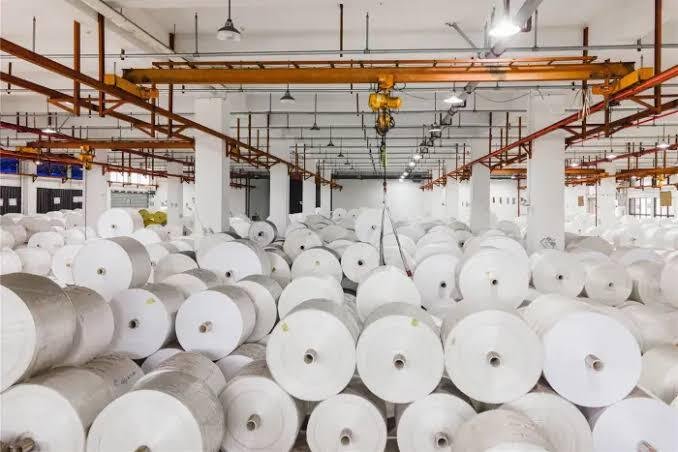
The global demand for durable, cost-effective, and eco-friendly packaging materials has propelled polypropylene (PP) woven fabric to the forefront of industrial manufacturing. From agriculture to construction, retail to logistics, PP woven fabric has become indispensable for creating bags, sacks, tarpaulins, and geotextiles that combine strength with affordability.
Choosing the right PP woven fabric companies to partner with can significantly impact your product quality, supply chain reliability, and overall business costs. This guide explores everything you need to know about PP woven fabric manufacturers, what sets the best ones apart, and how to select a supplier that aligns with your business needs.
What Is PP Woven Fabric?
PP woven fabric is a synthetic material made by weaving strands of polypropylene, a thermoplastic polymer known for its high tensile strength, chemical resistance, and lightweight properties. The manufacturing process typically involves extruding polypropylene granules into flat tapes or yarns, which are then woven into a fabric using specialized looms.
This fabric is prized for being:
- Lightweight yet strong – ideal for heavy-duty applications without adding excessive weight
- Moisture-resistant – protects contents from water damage
- Cost-effective – cheaper to produce than alternatives like jute or cotton
- Recyclable – supports sustainability initiatives across industries
Because of these qualities, PP woven fabric is used to manufacture products such as woven sacks, FIBC bulk bags, tarpaulins, ground covers, and geotextile fabrics.
Why the Right Manufacturer Matters
Not all PP woven fabric is created equal. The quality of raw materials, weaving techniques, and finishing processes can vary dramatically between manufacturers. Partnering with a subpar supplier can lead to:
- Inconsistent fabric strength and durability
- Poor UV resistance, causing premature degradation
- Delayed shipments and unreliable lead times
- Higher long-term costs due to product failures
On the other hand, working with established PP woven fabric companies ensures consistent quality, competitive pricing, and the technical expertise needed to meet specific industry standards.
Key Factors to Consider When Choosing PP Woven Fabric Companies
1. Manufacturing Capabilities and Technology
Leading manufacturers invest in modern extrusion lines, circular looms, and lamination equipment. Advanced technology allows for tighter quality control, higher production volumes, and the ability to customize fabric specifications like denier, GSM (grams per square meter), and weave density.
When evaluating a company, ask about their production capacity, machinery brands, and whether they offer lamination or coating services for added water resistance.
2. Quality Certifications
Reputable PP woven fabric companies typically hold certifications such as:
- ISO 9001 for quality management systems
- ISO 14001 for environmental management
- BRC or SEDEX certifications for ethical manufacturing practices
These certifications indicate a company’s commitment to consistent quality and responsible production practices, which is especially important if you’re exporting products internationally.
3. Customization Options
Different industries require different fabric specifications. A reliable manufacturer should offer customization in terms of:
- Fabric weight and thickness
- Color and printing options
- Bag or sack sizing
- UV stabilization levels
Companies that offer flexible customization demonstrate their capability to serve diverse client needs, from small agricultural bags to industrial-grade bulk containers.
4. Raw Material Sourcing
The quality of the final fabric heavily depends on the grade of polypropylene resin used. Top-tier manufacturers source virgin or high-quality recycled PP granules from trusted petrochemical suppliers, ensuring consistent tensile strength and durability in the finished product.
Ask potential suppliers about their raw material sourcing practices and whether they use virgin, recycled, or blended polypropylene.
5. Production Capacity and Lead Times
For businesses with large-scale or recurring orders, a manufacturer’s production capacity is critical. Evaluate whether the company can consistently meet your volume requirements without compromising quality or extending lead times.
It’s also worth understanding their logistics capabilities—do they have experience with international shipping, customs documentation, and bulk freight arrangements?
Also read: Is Rice Bag Recyclable? A Complete Guide to Recycling Rice Packaging
Top Applications of PP Woven Fabric
Understanding common use cases can help you communicate your requirements more effectively with manufacturers.
Agricultural Packaging
PP woven bags are widely used for packaging grains, seeds, fertilizers, and animal feed. Their moisture resistance and durability make them ideal for protecting agricultural products during storage and transport.
Industrial and Construction Uses
Geotextiles made from PP woven fabric are used in construction for soil stabilization, erosion control, and drainage systems. The fabric’s strength and permeability make it perfect for reinforcing roads and embankments.
Retail and E-Commerce Packaging
PP woven fabric is increasingly used for reusable shopping bags, promotional tote bags, and packaging materials due to its durability and eco-friendly appeal compared to single-use plastics.
Bulk Material Handling
FIBC (Flexible Intermediate Bulk Container) bags, commonly known as bulk bags or jumbo bags, are made from PP woven fabric and used to transport large quantities of powders, granules, or grains across industries like chemicals, mining, and food processing.
Regional Landscape of PP Woven Fabric Companies
Asian Manufacturing Hubs
Countries like India, China, Bangladesh, and Vietnam dominate global PP woven fabric production due to lower manufacturing costs, abundant raw material access, and established export infrastructure. Many companies in these regions cater specifically to international markets with competitive pricing and high-volume capabilities.
Manufacturers in Europe and North America
While production costs are generally higher, manufacturers based in Europe and North America often emphasize sustainability, faster regional delivery, and stricter quality compliance—appealing to businesses prioritizing shorter supply chains and premium quality standards.
Emerging Markets
Countries in the Middle East and Africa are also expanding their PP woven fabric manufacturing capabilities, driven by growing agricultural and construction sectors, along with increasing foreign investment in industrial infrastructure.
How to Evaluate and Compare Suppliers
Before committing to a long-term partnership, consider these practical steps:
- Request samples to test fabric strength, weave consistency, and finish quality firsthand.
- Check references from existing clients, particularly those in your industry.
- Visit facilities if possible, or request virtual tours to assess manufacturing conditions.
- Compare pricing structures across multiple suppliers, factoring in shipping and customs costs.
- Review contract terms carefully, including minimum order quantities (MOQs), payment terms, and delivery timelines.
Taking these steps minimizes risk and helps ensure you select a manufacturer capable of meeting both your quality and business requirements.
The Role of Sustainability in Modern Manufacturing
As environmental concerns grow, many PP woven fabric companies are adopting sustainable practices such as using recycled polypropylene, reducing water and energy consumption during production, and developing biodegradable additives.
Businesses seeking eco-conscious partners should inquire about a manufacturer’s sustainability initiatives, including recycling programs, waste management practices, and any third-party environmental certifications they hold.
Conclusion
Selecting the right PP woven fabric companies is a critical decision that affects product quality, cost efficiency, and long-term business success. By evaluating manufacturing capabilities, certifications, customization options, and sustainability practices, businesses can identify partners capable of delivering consistent, high-quality fabric solutions.
Whether you’re sourcing materials for agricultural packaging, industrial geotextiles, or retail products, taking the time to research and vet potential suppliers will pay dividends in product performance and customer satisfaction. As the industry continues to evolve toward more sustainable practices, partnering with forward-thinking manufacturers will position your business for long-term success in an increasingly competitive global market.
Need PP woven fabric for your business? Contact us today for reliable, high-quality, and customized PP woven fabric solutions.